
Level 4 Body Armor Plates: Full Guide
Level 4 plates compared: ceramic vs UHMWPE vs steel, weight differences, multi-hit performance, NIJ certification and wholesale sourcing for rifle-rated armor.
The Top of the Armor Scale
Level IV is the highest rating in the NIJ body armor standard — the armor that stops armor-piercing rifle rounds. It is the plate you buy when the threat is real, the stakes are high, and "good enough" is not a phrase you use.
But level IV is also the most misunderstood plate category. Buyers assume the highest number is always the right choice, then discover the weight, the cost and the maintenance requirements after the order. This guide explains what level IV actually means, the material trade-offs, and how to source plates that are both certified and practical.
What Level IV Means
Under NIJ 0101.06, level IV armor must stop a .30-06 Springfield M2 armor-piercing round — the benchmark defined by the National Institute of Justice — the benchmark test round. In practice, that performance covers the rifle threats found in military and high-risk environments, including 7.62x39 AP, 5.56 M855 and commercial armor-piercing ammunition.
Level IV is a hard plate rating. No soft armor reaches level IV; the rating applies to rigid plates carried in a plate carrier. Below it, level III stops standard rifle rounds (7.62mm, 5.56mm FMJ) but not AP rounds. The level III versus IV decision is covered in our protection levels guide.
Plate Materials Compared
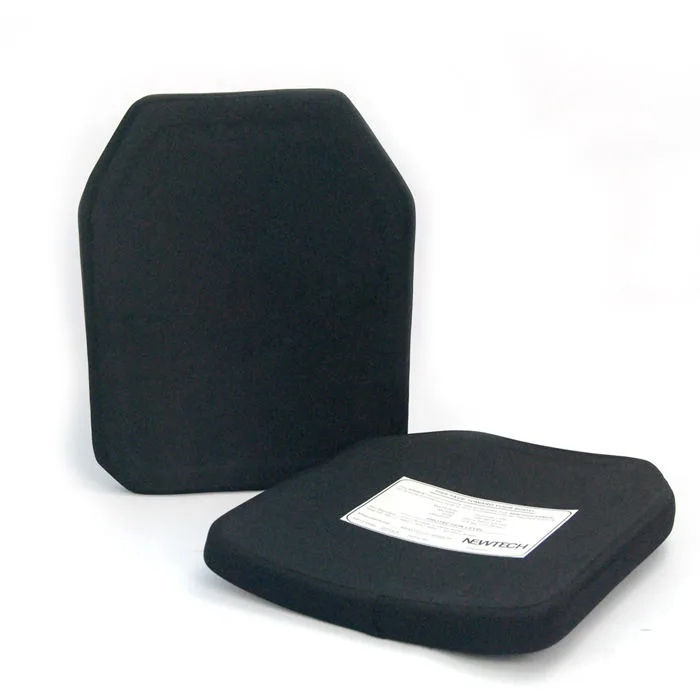
Ceramic-Faced Plates
The level IV standard. A ceramic strike face — alumina, silicon carbide or boron carbide — shatters the bullet on impact, while a backing of UHMWPE or aramid catches the fragments. Modern ceramic plates pair a ceramic front with a polyethylene back to cut weight dramatically.
Strengths: the lightest way to reach level IV, proven multi-hit performance, the standard for military and tactical teams.
Weaknesses: ceramic cracks under repeated hits — a plate that stops several rounds may still need replacement. Handle with care; dropping a ceramic plate can damage it invisibly.
Pure UHMWPE Plates
Polyethylene plates are extremely light but they cannot stop AP rounds on their own — the bullet punches through before the material can absorb it. This limits UHMWPE to level III (and some specialty III+ ratings), which is why level IV almost always means ceramic or ceramic-faced construction.
Where they fit: level III duty plates, side plates and soft armor. For level IV, UHMWPE appears only as the backing layer behind ceramic.
Steel Plates
AR500 and AR600 steel stops level III rifle rounds but does not reach level IV against AP ammunition. Steel's advantages are cost and durability — it survives drops, storage and repeated use. Its disadvantages are weight (roughly double ceramic) and spalling: bullet fragments spray from the impact area unless the plate carries a spall coating.
Where they fit: budget level III programs, training, static positions and vehicles. Not the level IV answer.
Weight: The Real Cost of Protection
A level IV ceramic plate in 10x12 shooter-cut typically weighs 2.2-3.2 kg. Two plates plus a carrier puts 5-7 kg on the torso before any pouches or ammunition. For operators wearing plates for hours, every 100 grams matters — which is why the market keeps pushing lighter ceramic composites.
Costs are relative multipliers, not fixed prices. The weight column is why so many teams now run ceramic-faced level IV plates — the protection of level IV at close to level III weight.
Sizes: 10x12 and Beyond
The 10x12 shooter cut is the market standard, sized to protect the vital organs while allowing shoulder mobility for shooting. It fits the majority of male operators and most female operators in a correctly sized carrier.
11x14 plates extend coverage for larger frames — more protection, more weight, and they require an 11x14 carrier.
8x10 plates serve smaller operators and some female shooters, accepting reduced coverage for mobility.
Side plates (typically 6x6) mount in cummerbund pockets for flank protection.
Plate size must match the carrier pocket — the plate carrier guide covers the pairing in detail.
Multi-Hit and Standalone Ratings
Two terms decide how a plate performs in real firefights:
Standalone plates — rated to stop the round with no soft armor behind them. This is the modern standard; the plate does its job alone.
ICW (In Conjunction With) plates — rated to work only when backed by a specific soft armor panel. ICW plates are lighter, but they are useless without the matching backer. Check the rating before buying: standalone is the safer choice for most buyers.
Multi-hit performance — how the plate behaves after taking rounds. Ceramic plates crack progressively; quality level IV plates are tested to stop multiple hits within a defined pattern (typically 4-6 rounds across the plate face). Ask for the test report if multi-hit exposure is part of your threat model.
Certification: The Non-Negotiable
Level IV is the rating most likely to be faked by unscrupulous suppliers, because the buyers are often in life-threatening roles and the test is expensive. Verify:
1. The NIJ certification letter for the exact plate model — not the factory, not the material.
2. The test laboratory — plates should be tested by an accredited independent lab.
3. The NIJ Compliant Products List for US market sales.
4. The test date — certification lapses; check it is current.
Our factory provides certification documentation with every armor order, and we explain exactly what each certificate covers. See our NIJ standards guide for the full compliance picture.
FAQ
Is level 4 armor legal to own?
In most countries, yes — body armor for personal protection is legal, though a few jurisdictions regulate purchase. Check local law before importing or reselling.
How long do level 4 plates last?
Ceramic and UHMWPE plates have a service life typically rated at 5-10 years from manufacture, longer if stored properly and never impacted. Steel plates last longer but weigh far more.
Can level 4 plates stop AK-47 rounds?
Standard 7.62x39mm rounds are stopped by level III; armor-piercing 7.62x39 requires level IV. Level IV plates stop the full range including AP.
Are heavier plates better?
No — weight is the enemy of the wearer. Modern ceramic-faced plates achieve level IV at lower weight than older designs. Compare weight at the same protection level, not raw mass.
What is the difference between level 3 and level 4 plates?
Level III stops standard rifle rounds; level IV adds armor-piercing rifle rounds. Level IV plates are heavier and cost more — choose based on the actual AP threat.
Final Word
Level IV is the ceiling of body armor protection, but it is not the default choice — it is the choice for a documented armor-piercing threat. When you need it, buy ceramic-faced plates from a factory that provides real certification, in the right size for your carrier, at the lightest weight your budget allows.
Our factory supplies level IV armor plates with certification documentation, plus plate carriers matched to the plates. Send your threat assessment and size — we will quote the complete system.
Published: 2026-09-02 | Category: Buying Guide
Related Articles
Mag Pouches Guide: Types, Mounting, MOLLE
Mag pouches guide: rifle, AK, pistol, triple and taco-style mag pouches, MOLLE and duty belt mounting, materials and wholesale ordering for dealers.
MOLLE Pouches Guide: Types and Mounting
MOLLE pouches guide: GP, admin, phone, flashlight and utility pouch types, mounting compatibility with carriers and packs, materials and wholesale sourcing.